
Kalkulačka úspěchu a délky léčby rovnátky
Zadejte své údaje pro přibližný odhad trvání léčby a zkontrolujte, zda vaše plánovaná disciplína stačí k dosažení cíle.
Výsledná prognóza
Zde se zobrazí doporučení na základě vašich vstupů.
Víte ten pocit, když se podíváte do zrcadla a přemýšlíte, jestli by váš úsměv mohl vypadat trochu jinak? Nebo když si uvědomíte, že křivé zuby vám dělají starosti nejen esteticky, ale i při čištění? Snímací rovnátka jsou dnes jednou z nejpopulárnějších cest k narovnání chrupu. Ale co se vlastně děje s vašimi zuby, když nosíte průhledné dlahy? A jak vypadá výsledek?
Jako someone who has seen countless transformations in my practice here in Brno, I can tell you: the journey is fascinating. It’s not magic, but it feels like it sometimes. Let’s break down exactly what happens before and after treatment with removable aligners.
Co přesně jsou snímací rovnátka?
Snímací rovnátka are custom-made clear plastic trays that fit over your teeth. Unlike traditional metal braces, they are virtually invisible and can be removed for eating and brushing. The most famous brand is Invisalign, but there are other systems too. They work by applying gentle pressure to move teeth into desired positions over time.
The process starts with a digital scan of your mouth. Your orthodontist uses this data to create a series of aligners, each slightly different from the last. You wear each set for about one to two weeks, gradually shifting your teeth. It’s precise engineering meets daily life.
Před léčbou: Příprava a očekávání
Before you get your first tray, there’s preparation. This phase is crucial for success. Here’s what typically happens:
- Konzultace a vyšetření: Your dentist or orthodontist checks if your case is suitable for aligners. Not all misalignments can be fixed with them; complex rotations or severe bite issues might still need braces.
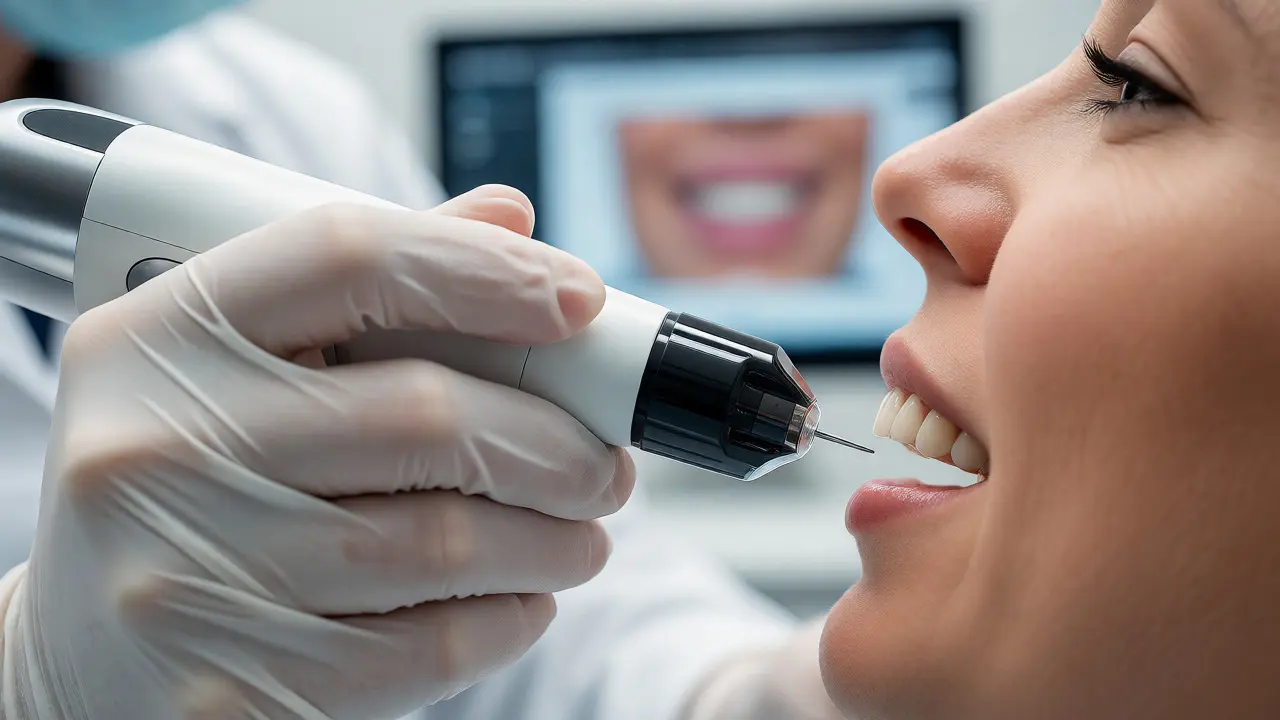
- Digitální skenování: Instead of messy impressions, you’ll likely have an intraoral scanner take 3D images of your teeth. This is fast and comfortable.
- Návrh léčby: Using software, your provider maps out the movement of each tooth. You’ll see a simulation of your new smile before treatment even begins. This “ClinCheck” (for Invisalign) helps manage expectations.
- IPR (Interproximal Reduction): Sometimes, tiny amounts of enamel are polished between teeth to create space for alignment. Don’t worry-it’s minimal and safe.
During this stage, you’re committing to discipline. Aligners must be worn 20-22 hours a day. If you skip wearing them, progress stalls. Think of it as homework-you do it every day, or you don’t pass.
Během léčby: Jak probíhá změna
Once you start wearing the trays, the real work begins. Each aligner applies controlled force to specific teeth. You might feel mild pressure or soreness when switching to a new set. That’s normal-it means your teeth are moving.
Key things to keep in mind during treatment:
- Hygiene is non-negotiable: Brush and floss before putting aligners back in. Food particles trapped under trays cause cavities faster than you’d think.
- Watch what you eat: Remove aligners for meals. Drinking water is fine, but coffee, tea, or red wine can stain the plastic or your teeth if left underneath.
- Regular check-ups: Visit your orthodontist every 6-8 weeks. They monitor progress and provide new sets of aligners.
Many patients report subtle changes within the first few months. Friends might notice something looks “different” but can’t quite put their finger on it until the end. That’s part of the charm-no sudden “braces face.”
| Aspect | Before Treatment | After Treatment |
|---|---|---|
| Alignment | Crowded, spaced, or rotated teeth | Straight, evenly aligned arches |
| Hygiene | Hard to clean tight spaces | Easier brushing and flossing |
| Confidence | Hiding smiles or laughing | Smiling freely without hesitation |
| Bite Function | Possible uneven wear or jaw strain | Better occlusion and comfort |
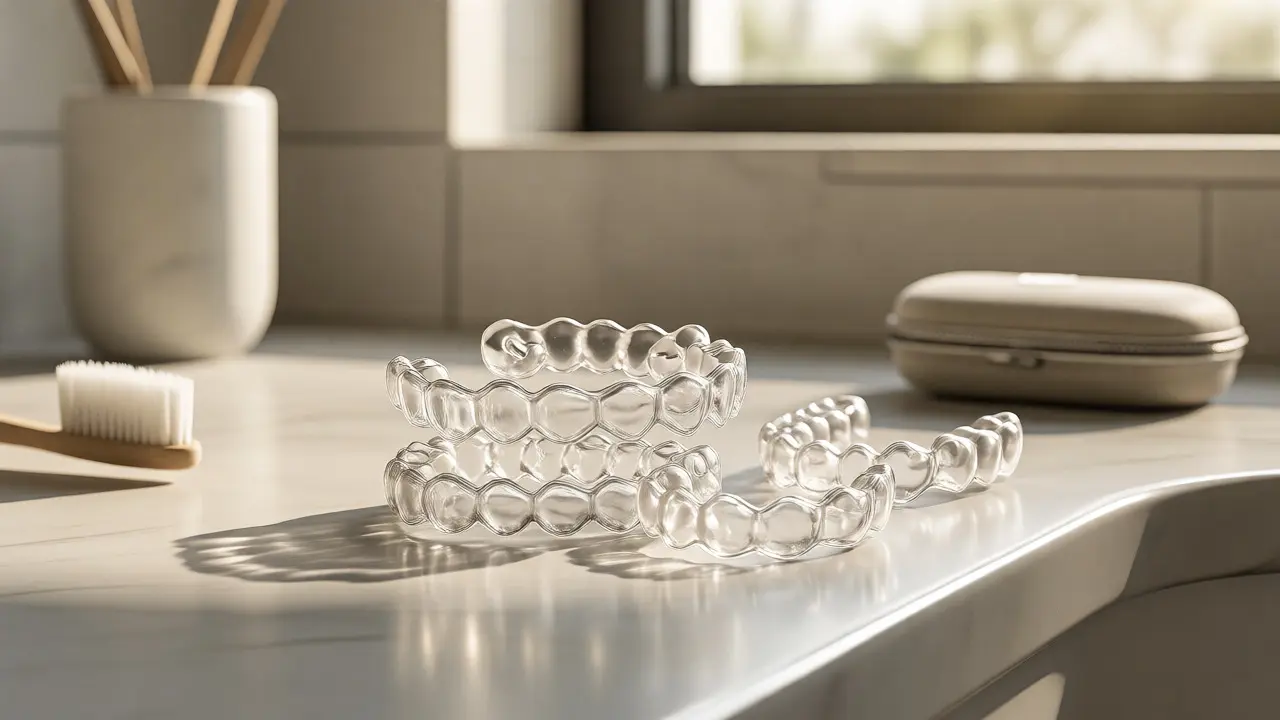
Po léčbě: Výsledky a retence
You’ve finished your last aligner. Congratulations! But wait-the job isn’t done yet. Teeth have memory. Without retention, they’ll drift back toward their original positions. This is where retainers come in.
Retainers are custom appliances worn after active treatment. Most patients use a clear night retainer indefinitely. Some prefer a bonded wire behind front teeth. Skipping retention is the #1 reason for relapse.
The visual results vary by case, but common improvements include:
- Closed gaps between front teeth.
- Uncrowded lower incisors.
- Corrected crossbites or open bites.
- A more symmetrical smile line.
Patients often say their favorite benefit isn’t just aesthetics-it’s how much easier it is to keep their teeth clean. No more food stuck in awkward spots. Less plaque buildup. Fewer dental emergencies down the road.
Reálné zkušenosti z ordinace
In my experience treating patients in the Czech Republic, success hinges on compliance. One patient, let’s call her Petra, came in with mild crowding. She wore her aligners religiously, cleaned them daily, and attended all appointments. Six months later, her smile was transformed. Another patient, Tomáš, skipped wearing his trays during weekends. His treatment took three months longer than planned.
It’s also worth noting cost considerations. In Brno, prices for full upper and lower aligner treatment range from 40,000 to 70,000 CZK depending on complexity and clinic. Insurance rarely covers cosmetic orthodontics for adults, so budget accordingly.

Tipy pro nejlepší výsledky
To maximize your outcome, follow these rules:
- Wear time matters: Aim for 22 hours/day. Missing even a few hours daily adds up.
- Clean aligners daily: Use lukewarm water and a soft toothbrush. Avoid hot water-it warps plastic.
- Store safely: Always use the case. Wrapping aligners in napkins leads to accidental trash disposal.
- Report issues early: If an aligner doesn’t fit snugly, contact your provider immediately. Delaying fixes prolongs treatment.
Frequently Asked Questions
Jak dlouho trvá léčba snímacími rovnátky?
Treatment duration varies based on complexity. Mild cases may take 6-9 months, while moderate crowding or spacing issues typically require 12-18 months. Severe malocclusions might need 24+ months or alternative treatments.
Bolí nošení rovnátek?
You’ll likely feel pressure or mild soreness when starting a new aligner, especially in the first few days. This indicates teeth are moving. Pain should subside quickly. Over-the-counter pain relievers help if needed.
Mohu jíst a pít s rovnátky v ústech?
Remove aligners before eating anything except water. Sugary or acidic drinks cause decay and staining. After drinking colored beverages like coffee or wine, rinse your mouth and clean aligners before reinserting.
Co když zapomenu nasadit rovnátka?
If you miss a few hours, put them back in ASAP. If you’ve been off for several days, consult your orthodontist. Forcing an old aligner onto shifted teeth can damage roots or delay progress.
Jsou snímací rovnátka vhodná pro každého?
Not everyone qualifies. Complex rotations, large vertical movements, or severe skeletal discrepancies may require fixed braces or surgery. An initial consultation determines suitability.
Shrnutí: Stojí to za to?
For many people, yes. Removable aligners offer discretion, comfort, and effective correction when used correctly. The key is commitment-daily wear, hygiene, and follow-up visits. If you value aesthetics and convenience, discuss options with a certified orthodontist near you. Your future smile will thank you.